
Green Spaces, Stronger Places: Why Public Parks Matter and How You Can Stand Up for Them
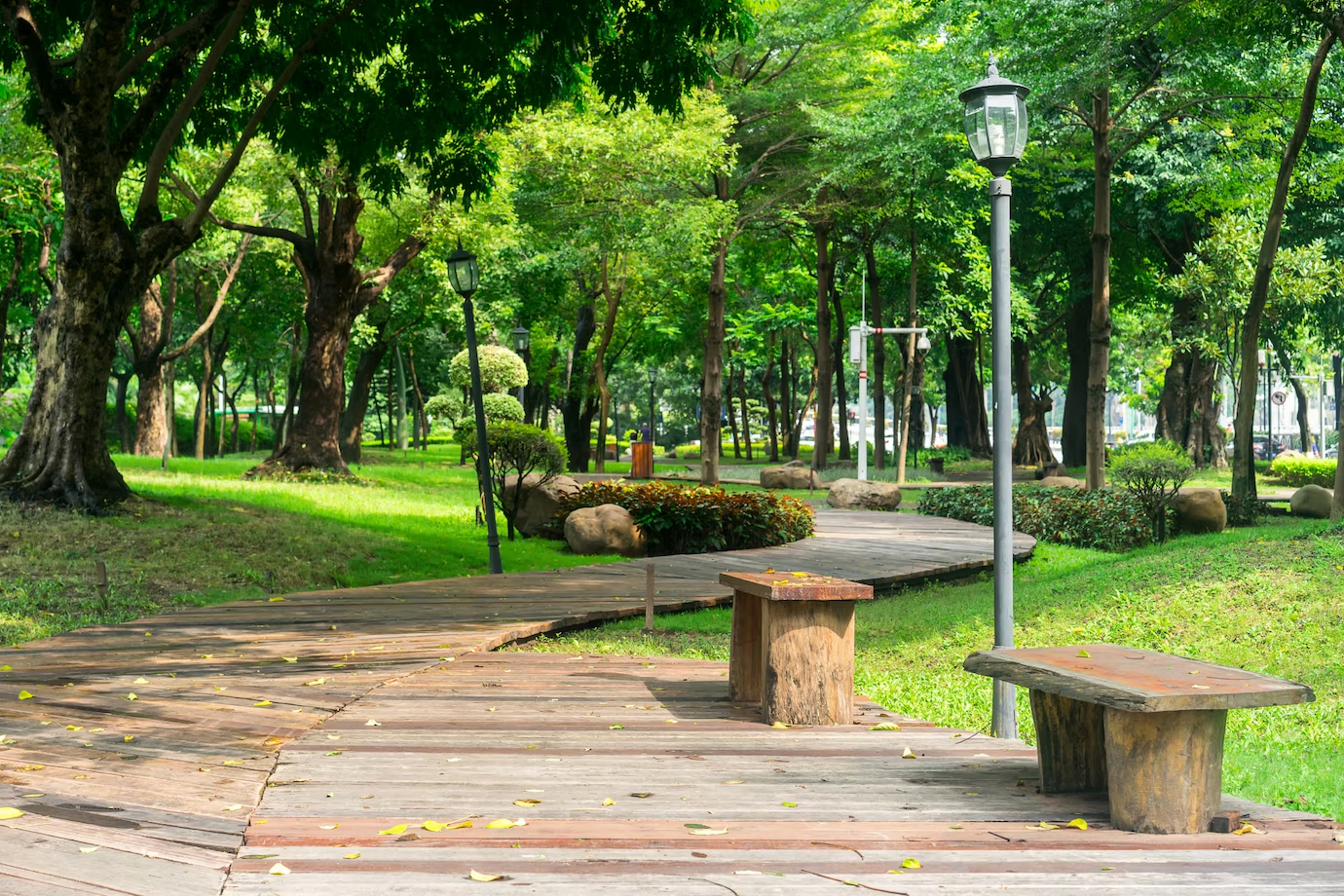
Think back to the last time you wandered through a park — no rush, no goal, just time to be. Maybe it was a quiet path under maple trees, or a playground echoing with kids’ laughter. That scene, as simple as it sounds, is one of the most powerful public resources a community can have. Public parks don’t just sit there looking pretty — they shape health, equity, identity, and connection, and they deserve more than just an afterthought in city planning.
The Neighborhood’s Living Room
Public parks do more than fill in empty spaces on a city map — they breathe life into the rhythm of your everyday life. Whether it’s a quiet bench under an old tree or a soccer field buzzing with laughter, parks offer something most of us didn’t know we were missing until we had it. They’re where strangers become familiar faces and where families bond without the distractions of screens or schedules. The beauty is in their simplicity: no membership, no fees, no pressure — just a place to be.
A Legacy Written in Stone and Soil
Long before parks shaped neighborhoods, they helped define a national identity. In 1872, Yellowstone became the world’s first national park — protected not for profit, but for its beauty. That bold move sparked a movement, one that saw nature as a public good. Over time, the idea trickled down to city parks, carrying the belief that everyone deserves green space. When you walk through a local park today, you’re part of that legacy — protecting land not for what it can do, but for what it means.
A Pause Button for the Mind
The mental health benefits of having easy access to green space are not just real, they’re measurable. Stepping into a park can quite literally lower your stress hormones, clear mental fog, and lift your mood — no app required. People who live near well-maintained parks often report feeling more at ease, more present, and more socially connected. That mental reset, even if it’s just during a lunch break stroll or an hour on a weekend, helps build emotional resilience in a world that doesn’t slow down for anyone.
Starting a Nonprofit Dedicated to Park Protection
When you’re serious about protecting a public park, one of the most impactful moves you can make is to form a nonprofit corporation focused on its preservation. Not only does it lend structure and legitimacy to your efforts, but it also opens the door to public funding, charitable donations, and grant opportunities. You’ll need to create bylaws that clearly spell out how your organization will function — everything from leadership roles to how decisions get made. Once you’re set up, you’re no longer just an advocate; you’re a steward with the legal footing to make a lasting difference.
A Classroom Without Walls
Nature doesn’t care if you’ve got a PhD or you’re learning to spell your name — it teaches on its own terms. Parks offer kids (and curious adults) a chance to learn by doing, touching, seeing, and asking questions that don’t come up inside four walls. That muddy stream might teach a child more about ecosystems in 15 minutes than a textbook would in a week. And when families and educators use parks as learning spaces, they help grow a generation that respects the land and understands its place in their lives.
A Patch of Equity on Uneven Ground
Not every neighborhood gets a Whole Foods, but every neighborhood deserves a park. That’s the starting point of any real conversation about environmental justice. Communities with fewer resources often have less green space — and when they do have it, it’s more likely to be neglected. Advocating for park access is a way to say every person, no matter their zip code, deserves a safe, welcoming place outdoors. Because it’s not just about grass and trees — it’s about dignity, health, and quality of life.
How You Can Keep the Grass Green
If you want better parks in your community, you don’t need a title or a microphone — you just need to start small and stay steady. Begin by showing up: visit your local parks, bring friends, and help build foot traffic that justifies funding. Write or call your city council members and let them know you care about these spaces — elected officials take note when their constituents get loud. Join or form a “Friends of the Park” group and pitch in with cleanup days or fundraising. And if you’re feeling ambitious, show up to planning meetings with ideas and solutions — your voice matters more than you think.
You can’t download the feeling of warm sunlight on your back or the way kids laugh as they chase bubbles through open air. Public parks give us more than recreation — they give us connection, memory, pause, and purpose. In neighborhoods where people feel divided, a green space can be common ground. And in a world that always asks for more, parks are where you can finally exhale — not just for yourself, but for your whole community.
Visit The Rama Exhibition and discover inspiring stories of climate action and environmental triumphs from around the globe!


 The Full Body Elixir ~ Yoga with Calley O'Neill